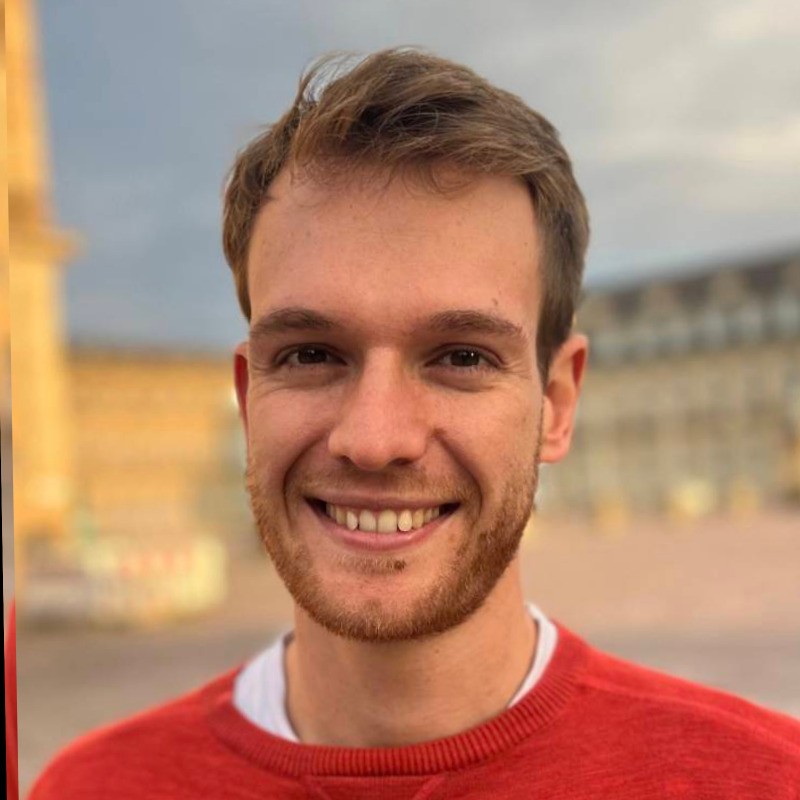
David Balbás
David holds a PhD in cryptography and is a postdoctoral researcher at a prestigious university. His work covers cryptographic protocols, privacy-preserving systems, and secure messaging.
LinkedInSeminar · English
Understand your cryptography. Assess your exposure. Plan your next steps.
A five-hour seminar connecting the cryptography in your systems to quantum risk and practical next steps.
Start with the cryptography your systems depend on, examine what quantum computing changes, and apply that understanding to your own stack. The seminar connects foundations to exposure assessment and concludes with a practical checklist and vendor questions. Delivered entirely in English.
Separate confidentiality, integrity and authentication, and understand which cryptographic tools provide each one. Compare symmetric encryption, public-key cryptography, hashes and digital signatures through familiar examples such as private messages, bank connections and software updates.
Follow how keys are generated, stored and used, and why an algorithm, its implementation and the surrounding protocol are different parts of a security decision.
Takeaway: a practical vocabulary for discussing the cryptography in your own systems and asking precise questions of engineering teams and suppliers.
Follow a secure connection from the application to its TLS endpoint. Identify where key establishment, certificates and signatures appear, and distinguish protection in transit from protection at rest.
Work through a sample architecture covering a browser, reverse proxy, backend service and database. Map the libraries, certificate authorities and key-management dependencies that determine which protections are actually deployed.
Takeaway: an outline of a cryptographic inventory, including the owners and evidence needed to verify each dependency.
A 40-minute lunch break is included in the seminar. Meals, coffee, tea and croissants are included in the ticket. Use this time to eat, recharge and meet the other participants.
Understand what Shor’s algorithm changes for widely used public-key systems and how Grover’s algorithm differs. Separate the risks to key establishment and signatures from claims that quantum computers will break every form of encryption.
Examine harvest-now, decrypt-later exposure using data lifetimes and migration lead times. Distinguish experimental progress from a machine capable of attacking deployed cryptography, and discuss uncertainty without relying on a predicted Q-Day.
Takeaway: a clear account of which parts of your stack deserve investigation and why confidentiality and authentication need separate risk assessments.
Compare the main post-quantum algorithm families and the roles of ML-KEM, ML-DSA and SLH-DSA. Discuss hybrid deployment, interoperability, implementation assurance and the practical impact of larger keys, ciphertexts and signatures.
Apply a quantum-risk checklist to a sample stack, prioritize dependencies and identify the evidence to request from vendors. Outline a small pilot with owners, compatibility checks and a review point rather than treating migration as a single product purchase.
Takeaway: a 1–2 page checklist and concrete next steps for investigating exposure, evaluating suppliers and planning migration.
David holds a PhD in cryptography and is a postdoctoral researcher at a prestigious university. His work covers cryptographic protocols, privacy-preserving systems, and secure messaging.
LinkedIn
Founder of QuantaKrypto, Leon brings a background in infrastructure, cybersecurity, and blockchain. His work connects cryptographic decisions to production systems, security reviews, and post-quantum migration.
LinkedInYour event materials will include:
Turn what you learn into a plan for your systems, from assessing exposure to testing a migration.